

Brushing curly hair can be a bit tricky, and trust me, I’ve made my fair share of mistakes. For years, I used to brush my hair while it was dry, thinking it would help tame it—but all it did was make my hair bigger, frizzier, and harder to manage. I had no idea that dry brushing was causing micro-tears in my curls, leading to all that frizz and breakage.
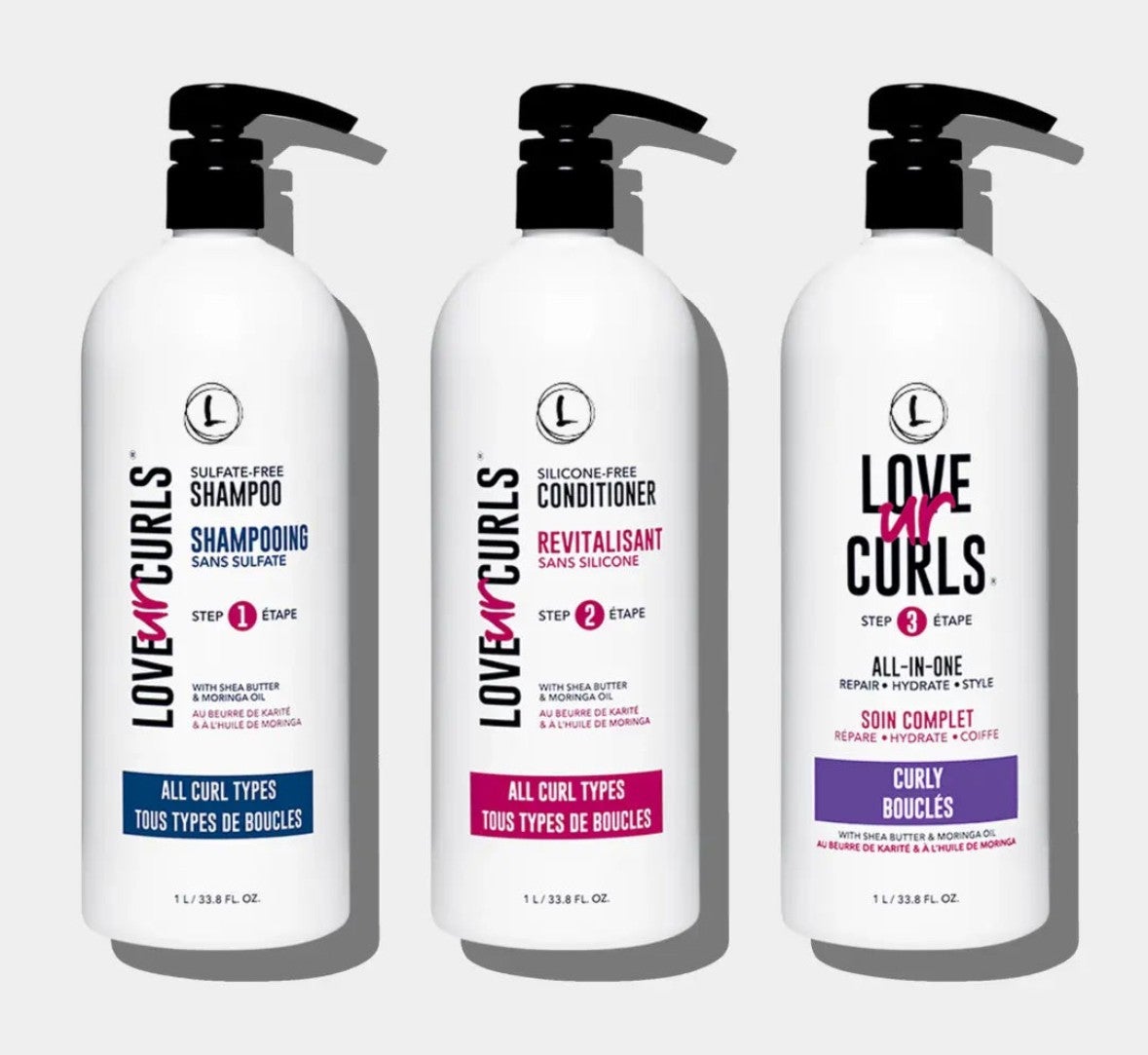
It wasn’t until I learned to brush my hair with conditioner in it, while wet and in the shower, that everything changed. That simple switch was a total game-changer. Now, detangling is so much easier, my curls stay defined, and I’m no longer causing damage to my hair. It’s amazing how much difference the right technique can make, and I’m excited to share what I’ve learned so you can keep your curls looking their absolute best!
Why Curly Hair Needs Special Care When Brushing
Curly hair is naturally more delicate than straight hair. Each curl pattern makes it harder for natural oils to travel down the strand, which can lead to dryness and increased fragility. Brushing curls requires a gentle approach to avoid breakage, frizz, and disrupting the curl pattern. Let’s break down the steps to brushing curly hair without damaging it.
1. Always Brush Curly Hair When It’s Wet
One of the most important rules for curly hair is to brush only when it’s wet or damp. Brushing dry curls can lead to frizz, disrupt curl patterns, and cause breakage. Wet hair is more pliable, so it’s easier to detangle and manipulate without causing harm. Ideally, brush your curls right after applying conditioner or leave-in conditioner, when your hair is well-coated and easy to glide through.
2. Use the Right Brush or Comb
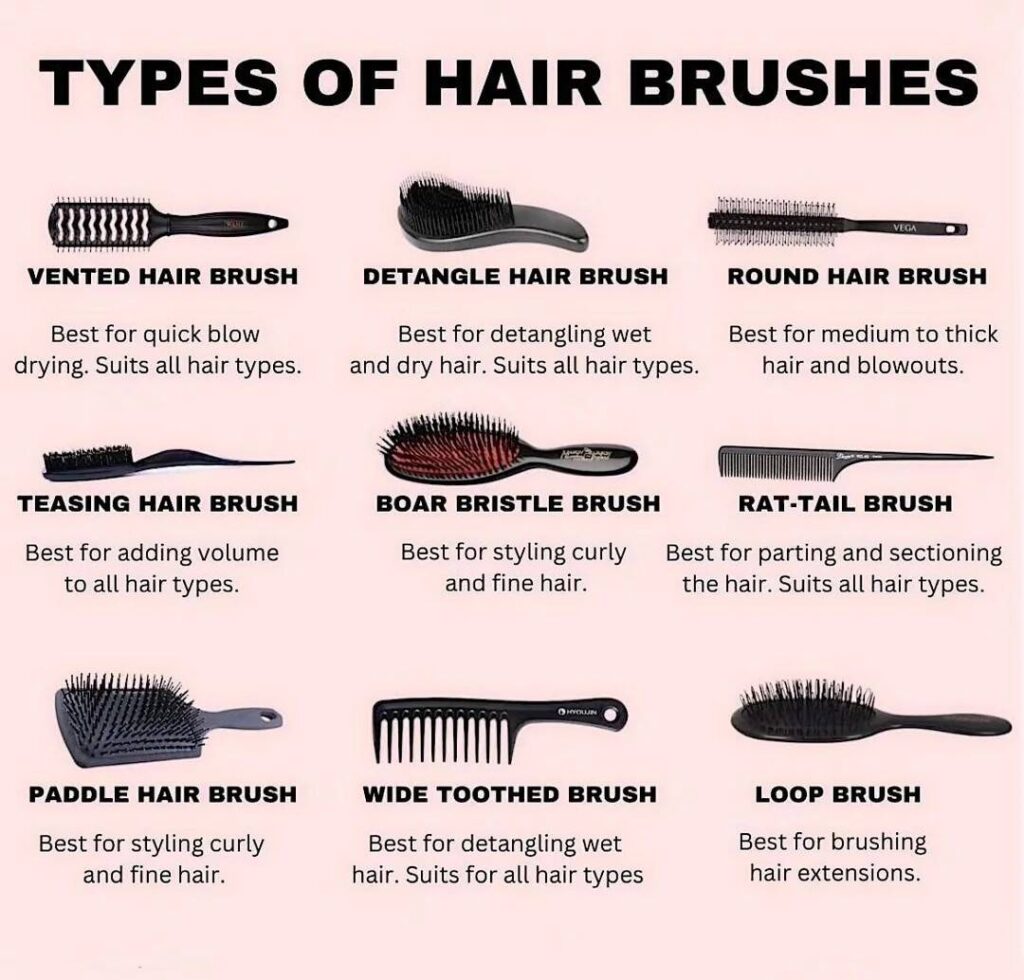
Using the right tool can make all the difference for curls. Here are a few types of brushes and combs that work best:
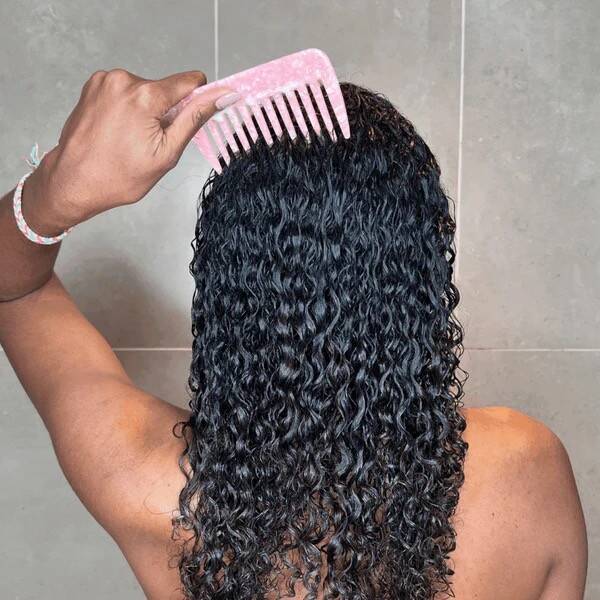
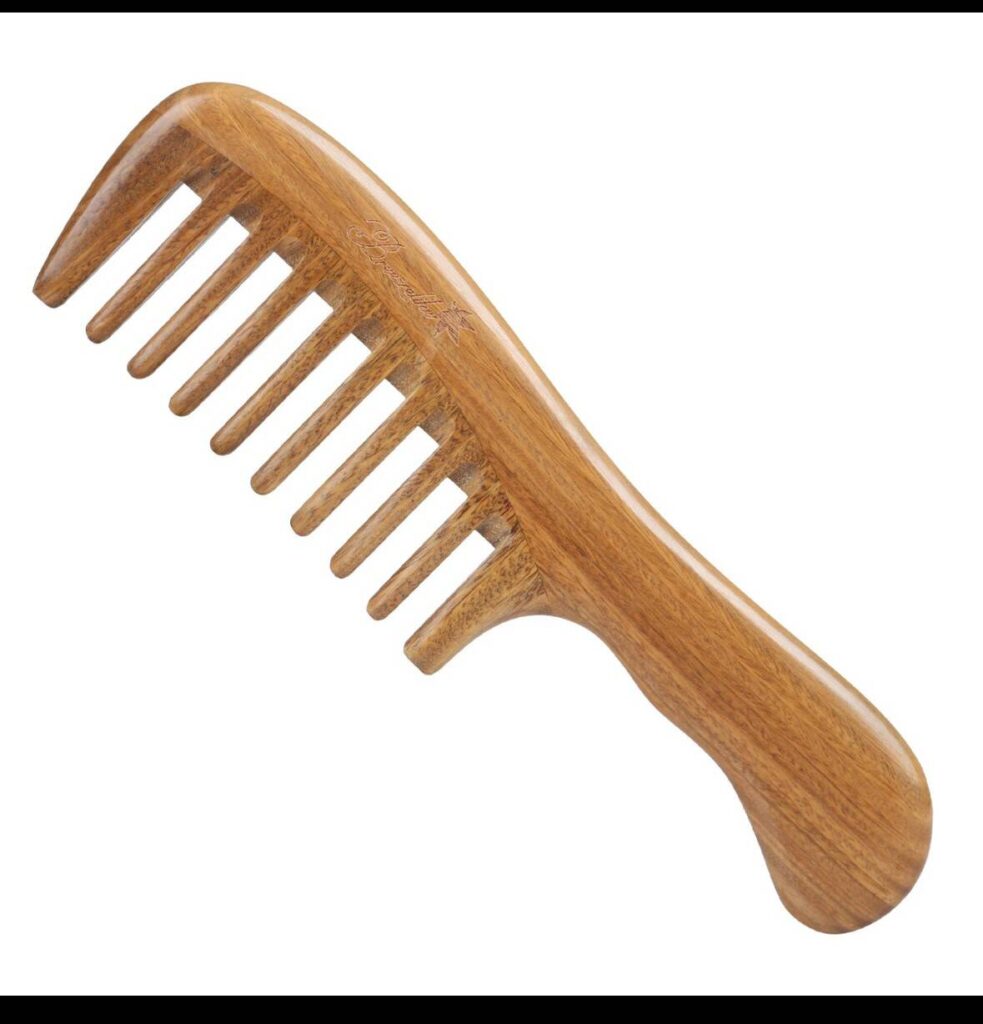
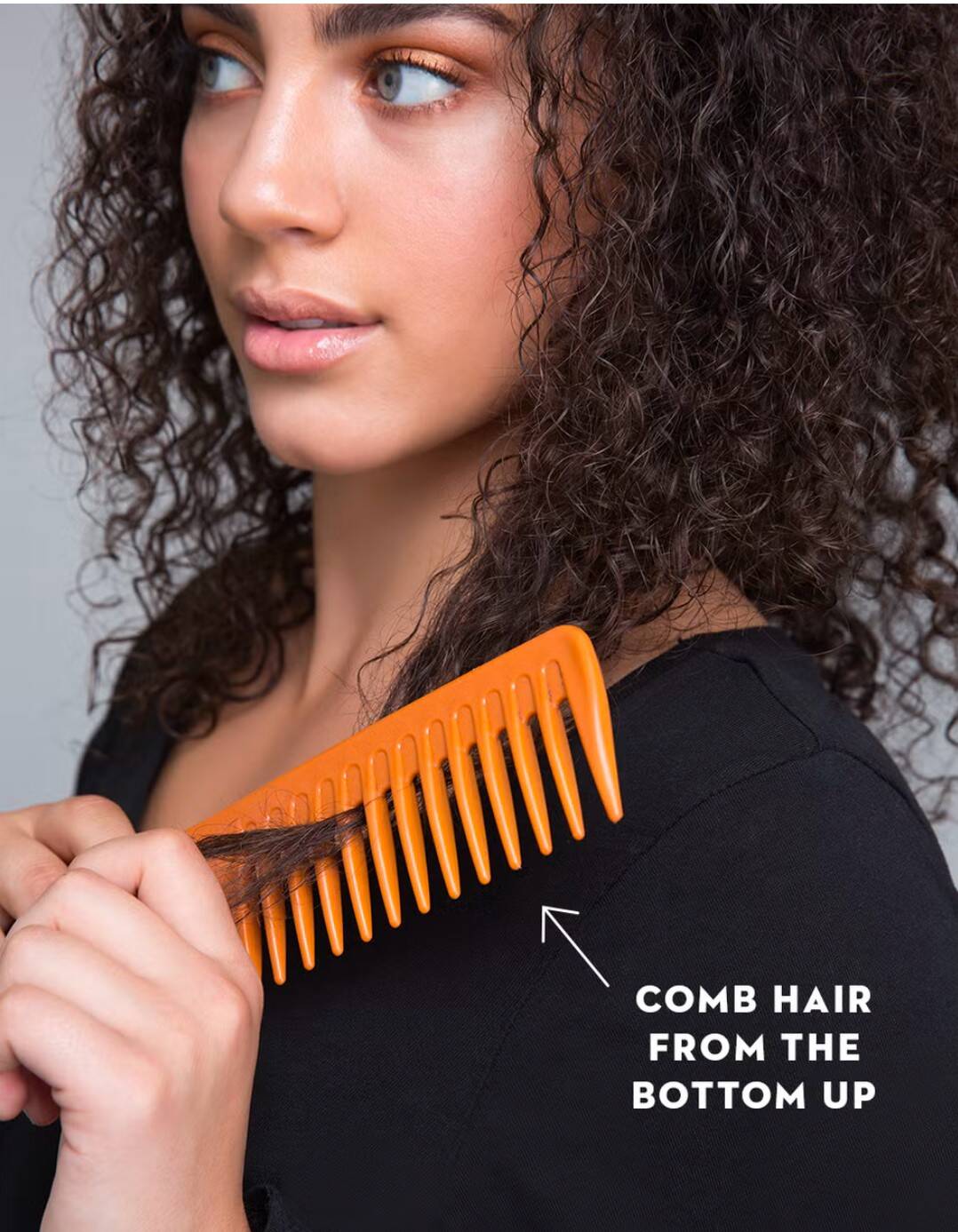
- Wide-Tooth Comb: A wide-tooth comb is a classic choice for curly hair because it glides through curls without pulling them apart or creating frizz. It’s gentle and works well for detangling in the shower.
- Denman Brush: A Denman brush is popular among curly-haired folks for defining curls as it detangles. With smooth, rounded bristles, it’s gentle on curls and great for distributing products evenly.
- Fingers: For a truly gentle option, finger-detangling is a fantastic way to brush curly hair. Using your fingers allows you to feel knots and tangles without breaking up the curl pattern, which helps maintain definition.
3. Apply Conditioner or Detangler
Conditioner and detangling products provide the necessary “slip” to help brushes and combs glide through curls without snagging or causing damage. Apply a generous amount of conditioner or a detangling spray to your wet curls before brushing. The added moisture will help prevent breakage and keep curls smooth.
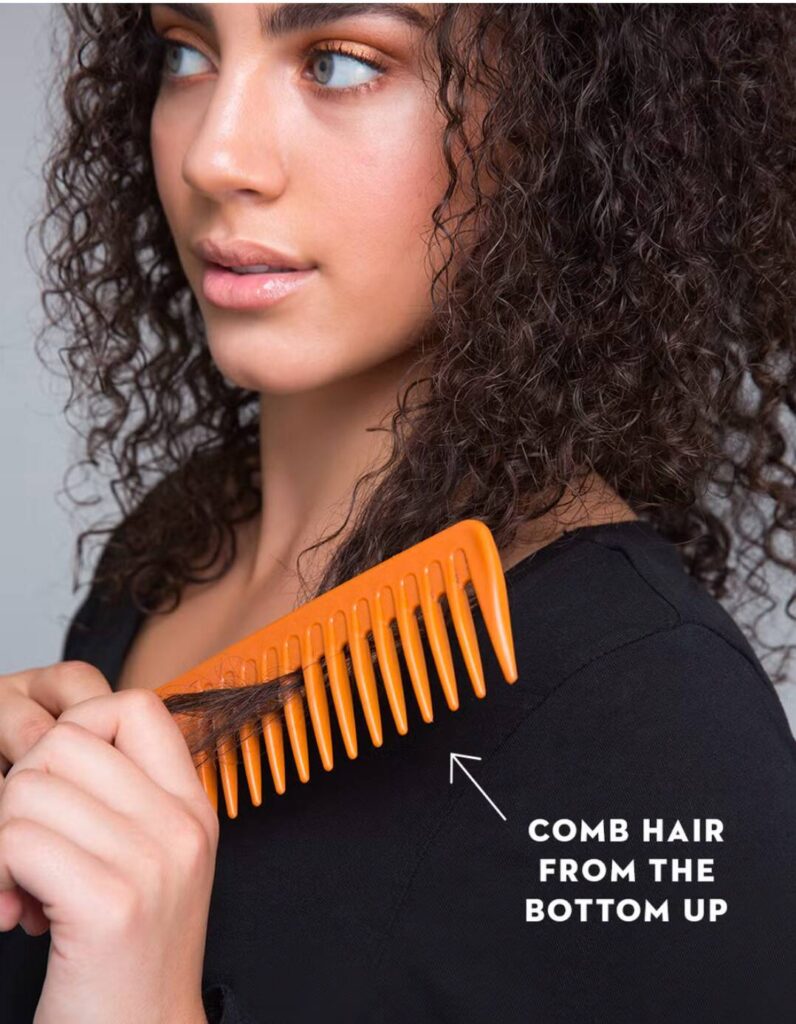
4. Detangle from the Bottom Up
Start brushing at the ends of your hair and work your way up to the roots. Detangling from the bottom up minimizes breakage by gently removing knots without pulling on the scalp or stressing your curls. Working in small sections is especially helpful for dense or tightly coiled curls, as it ensures each part of your hair is fully detangled.
5. Be Gentle and Take Your Time
Curly hair requires a gentle approach, so don’t rush through the process. Move slowly and use light pressure, especially when dealing with tangles. If you hit a knot, try loosening it with your fingers before using a brush or comb to work through it.
6. Use a Leave-In Conditioner or Styling Product After Brushing
After brushing, apply a leave-in conditioner or curl cream to keep curls hydrated and frizz-free. This helps your curls stay smooth and defined as they dry. If you’re styling right after detangling, with (wet hands) apply a gel or mousse over your leave-in to hold curl shape and prevent frizz throughout the day.
Common Questions Curly Girls Have About Brushing
Q: Can I ever brush curly hair when it’s dry?
A: Brushing dry curly hair is usually best avoided, as it can lead to frizz and breakage. If you need to refresh your curls, try misting them with water or a leave-in spray before brushing or detangling.
Q: What’s the difference between brushing and combing curly hair?
A: Combing is often gentler on curls because it’s less likely to disrupt the curl pattern. Brushing is typically done for detangling or styling purposes and is more effective with a brush designed for curls, like the Denman brush.
Q: How often should I brush my curly hair?
A: Most curly-haired individuals only brush during wash days or whenever detangling is necessary. Over-brushing can disturb curl patterns, so limiting brushing to when your curls are wet and conditioned is best.
Q: What if my curls get tangled between wash days?
A: For tangles between wash days, try finger-detangling instead of using a brush or comb. Spritz a bit of water or leave-in conditioner on the tangled area, then gently separate knots with your fingers.
Brushing Curly Hair the Right Way
With the right techniques, brushing curly hair can be an easy, frizz-free process that keeps your curls healthy and manageable. Remember to brush only when wet, start from the bottom up, and use the best tool for your texture. Embrace your curls and enjoy the beauty of each one, knowing they’re well-cared for and protected!
If you need help finding the right tools or products for your curls, reach out to us at Curl Envy. We’re here to help you create the perfect routine for your curly hair journey.